Reading
Reading / empathy / the future
The greatest competitive advantage of the coming years may not be intelligence. But empathy.
Karina Svoboda
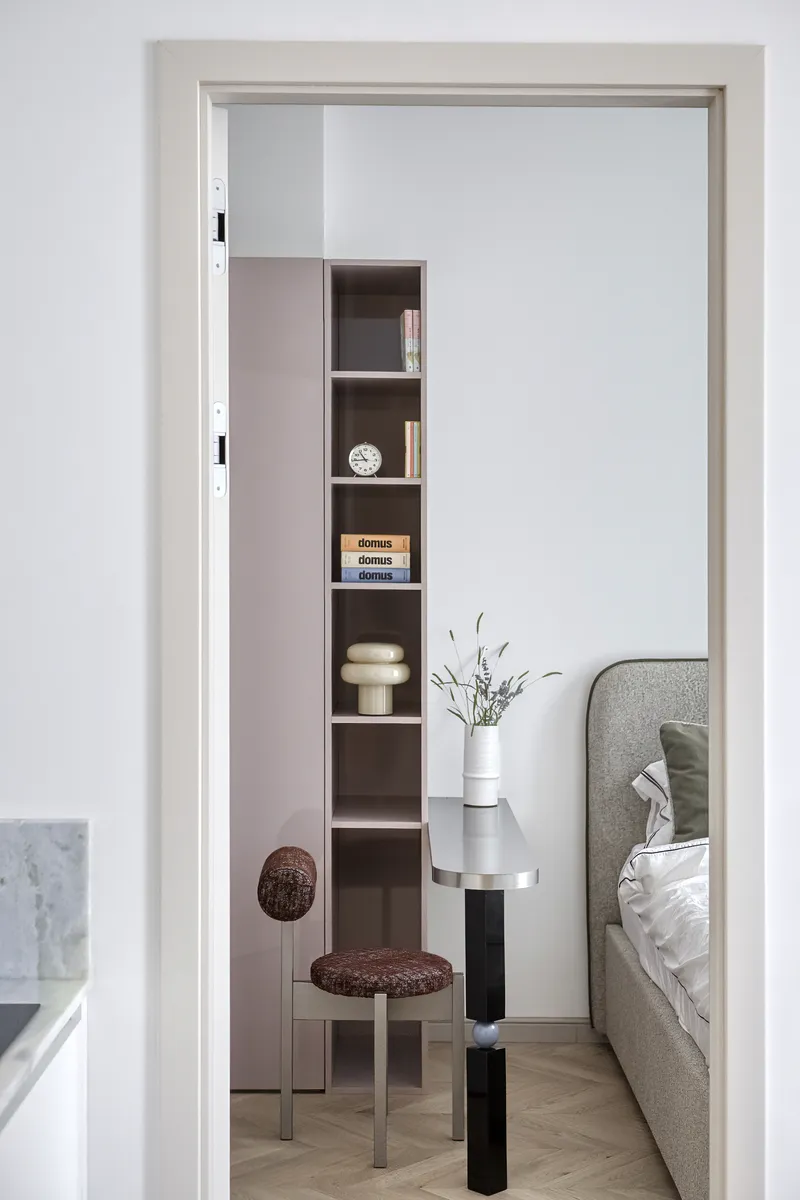
A book moves us out of our own heads for a few hours. It may be in this quiet work of imagination that an ability is born which no technology can live out on our behalf.
For years we told children that reading develops vocabulary, memory and imagination. Yet we may have overlooked its quietest and at the same time most important effect: a book moves us out of our own heads for a few hours.
It makes us live someone else's life. See through their eyes, carry their doubts and look for motivations that are not the same as ours. A film can open up a powerful emotion, but the image, the voice and the pace have largely been created for us. A book leaves blank spaces. The reader has to give them a face, space, light, tone and meaning. It is in this work of imagination that empathy can be born.
And it is empathy that may become the most valuable skill of an age in which almost everyone will have access to similarly powerful artificial intelligence. Technology will give us answers, translations, analyses and proposals. It will not, however, automatically give us a feeling for what another person has left unsaid, the ability to sense their uncertainty, or the willingness to step away from our own truth for a moment.
Perhaps for years we thought that by reading we were raising cleverer children. In fact, we may be raising more humane adults.
Will today's digital content replace books? It will undoubtedly take over some of their functions. It can hardly replace the intimate space in which the image is formed not on a screen, but inside a person. A library therefore need not be merely an aesthetic backdrop to an interior. It is the quiet infrastructure of attention, imagination and the culture of a home.
Book therapy
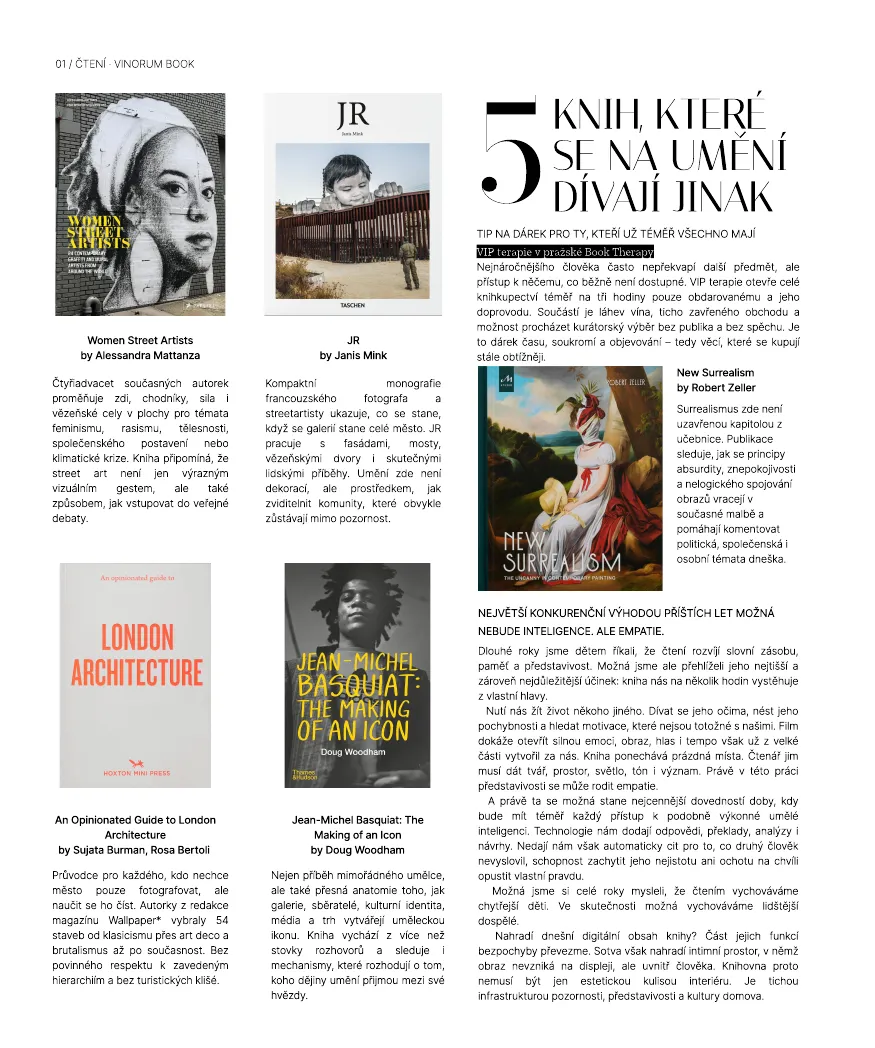
Five books that look at art differently
Book Therapy does not build the widest possible catalogue, but a curated selection based on the content, visual quality and lasting value of each book. That is why it offers titles that present art not as a closed world of galleries and connoisseurs, but as a way of thinking about society, space and ourselves.
JR
This compact monograph on the French photographer and street artist shows what happens when an entire city becomes a gallery. JR works with façades, bridges, prison yards and real human stories. Here art is not decoration, but a means of making visible communities that usually remain outside the spotlight.
Jean-Michel Basquiat: The Making of an Icon
Not only the story of an extraordinary artist, but also a precise anatomy of how galleries, collectors, cultural identity, the media and the market create an artistic icon. Drawing on more than a hundred interviews, the book also traces the mechanisms that decide whom art history will admit among its stars.
Women Street Artists
Twenty-four contemporary women artists transform walls, pavements, silos and even prison cells into surfaces for themes of feminism, racism, the body, social status and the climate crisis. The book is a reminder that street art is not only a striking visual gesture, but also a way of entering public debate.
New Surrealism
Here Surrealism is not a closed textbook chapter. The book follows how the principles of absurdity, unease and the illogical juxtaposition of images return in contemporary painting and help to comment on the political, social and personal themes of today.
An Opinionated Guide to London Architecture
A guide for anyone who wants not merely to photograph the city, but to learn to read it. Writers from the editorial team of Wallpaper* magazine have selected 54 buildings, from Neoclassicism through Art Deco and Brutalism to the present day. Without obligatory deference to established hierarchies, and without tourist clichés.
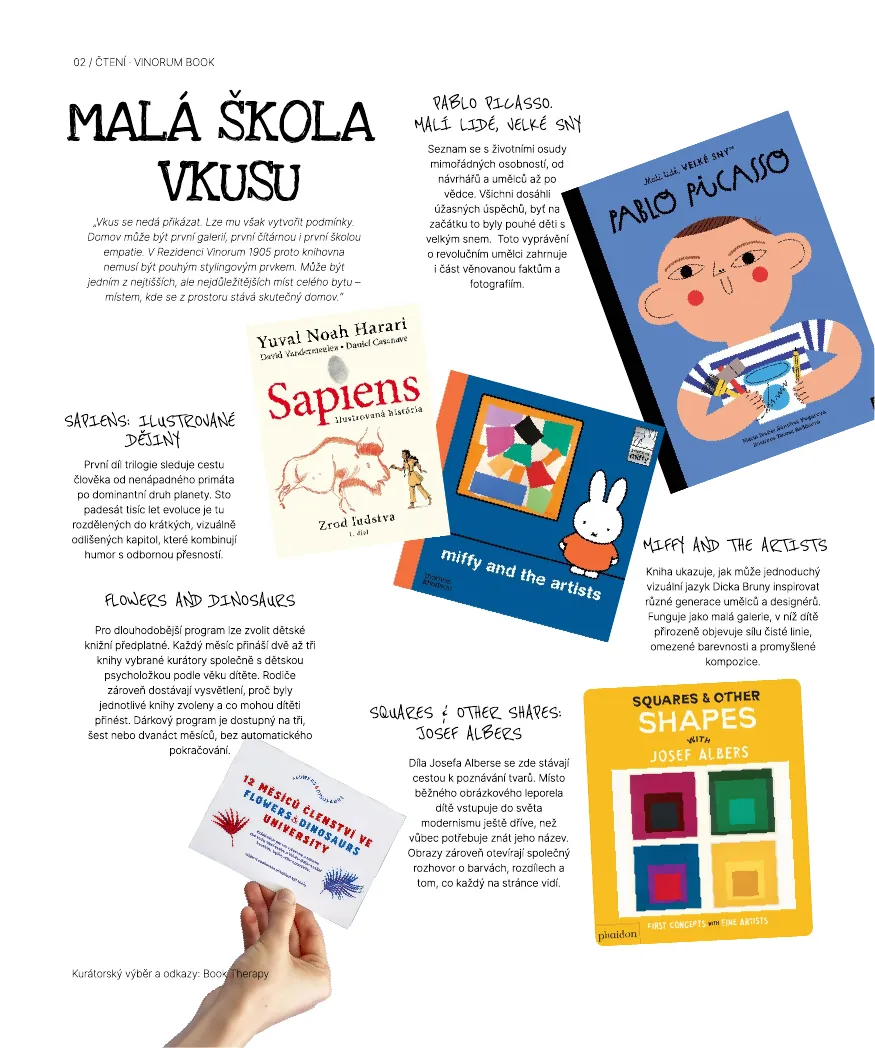
A small school of taste
Because an aesthetic sense does not begin with a first visit to a gallery
There is no need to explain to children what “proper art” is. It is far more important to teach them to observe, compare, ask questions and say without fear what they see. Taste is not formed by banning kitsch or by a list of famous names. It grows out of regular contact with good illustration, colour, composition, typography and story.
Miffy and the Artists
The book shows how Dick Bruna's simple visual language can inspire different generations of artists and designers. It works as a small gallery in which a child naturally discovers the power of a clean line, a restrained palette and a considered composition.
Squares & Other Shapes: Josef Albers
Here the works of Josef Albers become a way of discovering shapes. Instead of an ordinary picture board book, the child enters the world of Modernism before even needing to know its name. The images also open up a shared conversation about colours, differences and what each person sees on the page.
Jsme jenom lidi
To visual cultivation it adds an understanding of human behaviour. Through humour, everyday situations and bold illustrations, it talks about emotions, answering back, laughter, tears, anticipation and wonder. It does not tell children what they should be like. It helps them understand what people are really like.
Flowers & Dinosaurs
For a longer-term programme, you can choose a children's book subscription. Each month brings two to three books selected by curators together with a child psychologist according to the child's age. Parents also receive an explanation of why each book was chosen and what it can give their child. The gift programme is available for three, six or twelve months, with no automatic renewal.
Curated selection and links: Book Therapy
Printed edition
Related articles
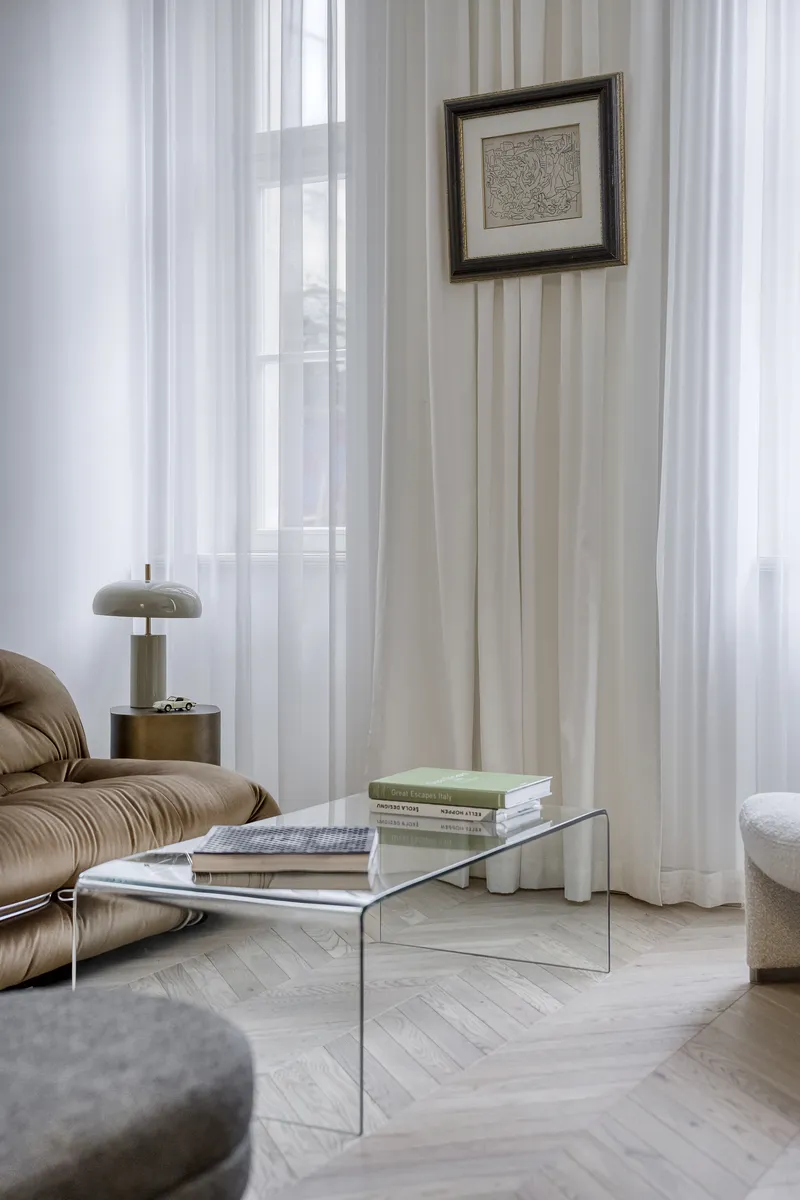 Art that gives a home confidenceSix artists whose works enter an interior not as decoration, but as personality.
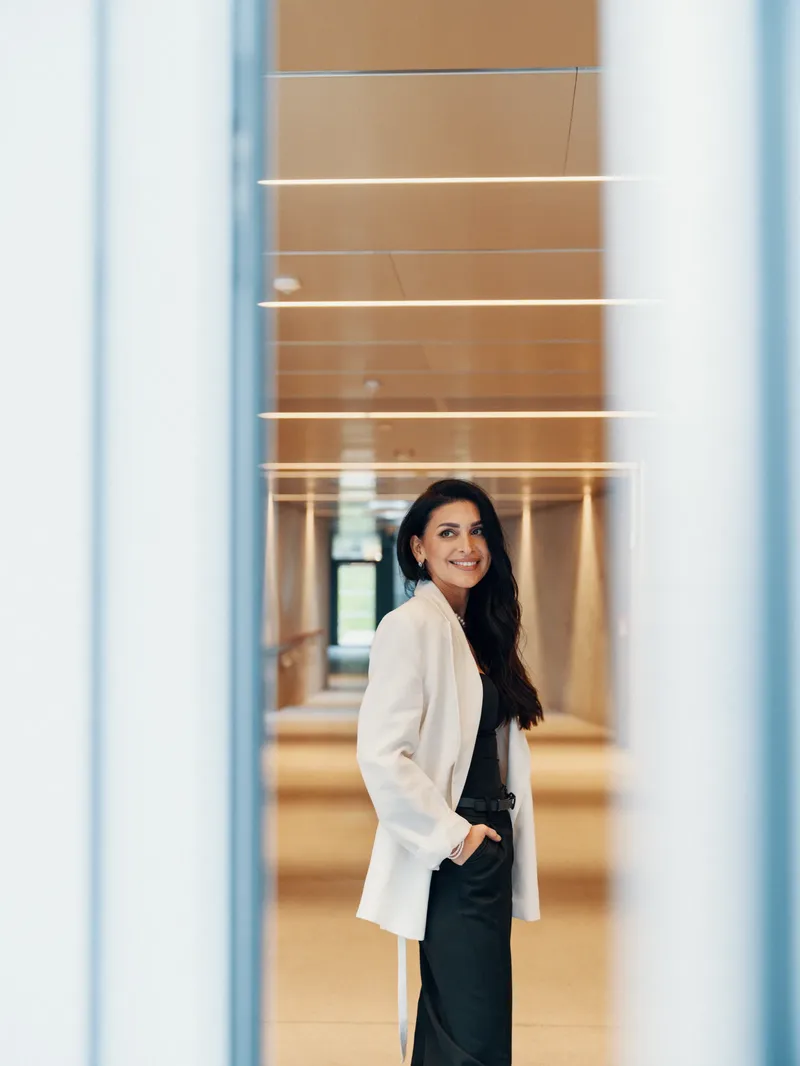 A home no algorithm can imitate“Would you want to live this life again, exactly as it was, and then once more, and again, for all eternity?”
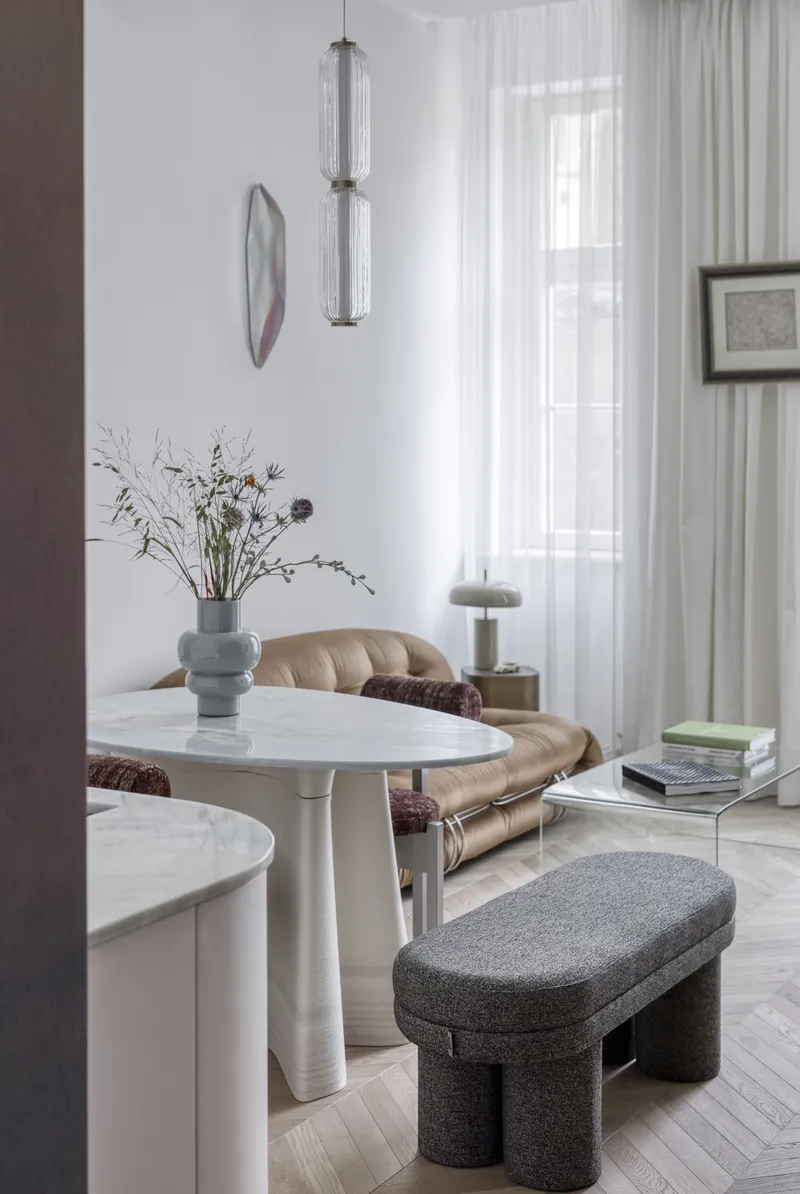 Housewarming gifts by Aline EremeeffA new home deserves something more than a merely practical trinket. As an interior designer, I have chosen objects that can lend a space…